








Understanding Hydroseeding: What It Is and How It Works
As homeowners in Ottawa seek greener, healthier lawns that stand out in a city defined by its lush landscapes, hydroseeding emerges as a superior choice. This innovative method, combining seeds, fertilizer, water, and mulch, is not only effective but also cost-efficient. When exploring options, Hydroseeding ottawa provides comprehensive insights into this technique, essential for any homeowner interested in lawn care. In this article, we delve into the many facets of hydroseeding, including its benefits, common mistakes to avoid, best practices, and emerging trends for 2026.
What is Hydroseeding?
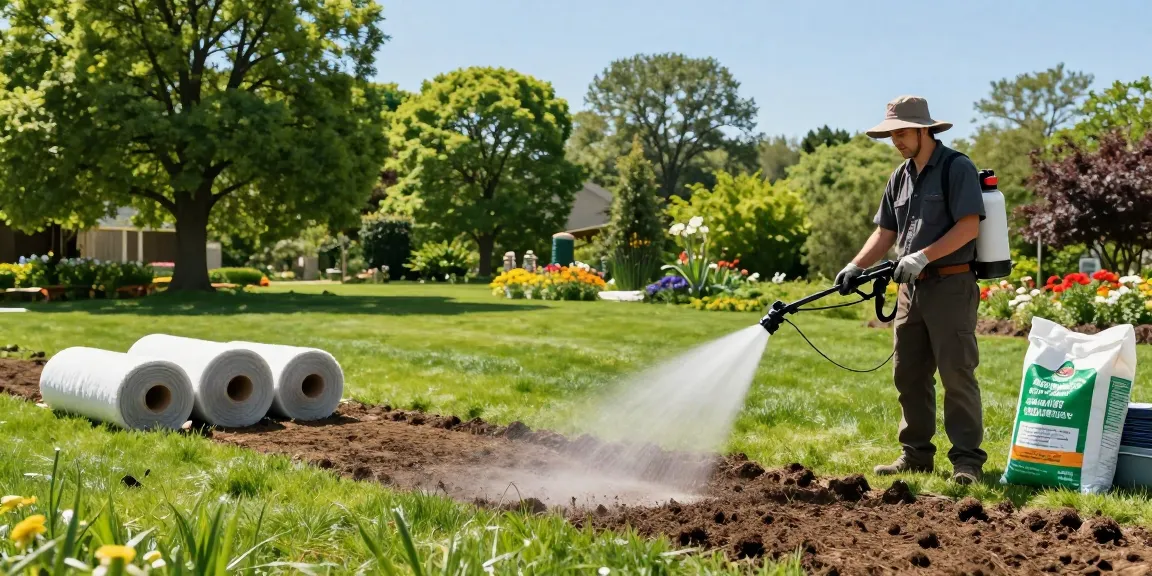
Hydroseeding is a method of sowing grass seeds using a slurry of seeds, mulch, fertilizer, and water. This mixture is sprayed onto prepared soil, providing a uniform distribution of seed. Unlike traditional seeding methods, hydroseeding promotes faster germination and better establishment of grass. The mulch component protects the seeds from erosion and helps retain moisture, a critical factor in Ottawa’s variable climate.
Benefits of Hydroseeding for Ottawa Lawns
There are numerous advantages to choosing hydroseeding over conventional seeding or laying sod, particularly in Ottawa:
- Cost-Effective: Typically, hydroseeding costs between $0.10 and $0.25 per square foot, making it an affordable option compared to purchasing sod.
- Rapid Germination: Lawns can achieve up to three inches of growth within two to three weeks, giving homeowners quick results.
- Environmental Benefits: Hydroseeding uses less water than traditional seeding and reduces the risk of soil erosion.
- Customizable Seed Blends: Homeowners can choose specific seed blends that thrive in Ottawa’s distinct climate, ensuring better success rates.
Comparison: Hydroseeding vs. Traditional Seeding
When comparing hydroseeding to traditional seeding methods, several factors come into play:
- Establishment Rate: Hydroseeding typically establishes lawns much faster than traditional seeding.
- Water Retention: The mulch in hydroseeding retains moisture effectively, which is crucial during Ottawa’s dry summer months.
- Labor Intensity: Hydroseeding is less labor-intensive than laying sod, which requires meticulous placement and care.
- Long-term Viability: A well-hydroseeded lawn can outlast traditionally seeded areas in both durability and appearance.
Common Hydroseeding Mistakes to Avoid
While hydroseeding offers numerous benefits, many homeowners make mistakes during the process that can affect results. Awareness of these missteps can guide you toward a thriving lawn.
Neglecting Soil Preparation and Testing
Proper soil preparation is critical for successful hydroseeding. Failing to test the soil can lead to poor seed germination due to imbalanced nutrients, pH levels, or compacted soil. Conducting a soil test and amending the soil as necessary will give your seeds a better chance to thrive.
Choosing the Wrong Seed Blend for Ottawa Climate
Ottawa’s climate varies considerably throughout the year, creating unique challenges. Selecting a seed blend not suited for the regional climate can hinder growth. Consult local experts or resources to choose blends that thrive in Ottawa’s cold winters and humid summers.
Inadequate Watering Techniques Post-Hydroseeding
One of the most critical aspects following hydroseeding is adequate watering. Overwatering can drown seeds, while underwatering can cause them to dry out. Establish a regimen that ensures consistent moisture without overwhelming the seedlings. The first few weeks are vital for germination.
Best Practices for Successful Hydroseeding
To ensure optimal results in your hydroseeding project, following best practices is essential. These practices can maximize your investment and lead to a flourishing lawn.
Optimal Timing for Hydroseeding in Ottawa
The timing of your hydroseeding project can significantly affect its success. In Ottawa, the best times to hydroseed are early spring and early fall. This timing aligns with the cooler temperatures and appropriate moisture levels that are conducive to seed germination.
How to Prepare Your Lawn for Hydroseeding
Preparation involves several steps:
- Clear the Area: Remove debris, weeds, and old sod to create a clean slate.
- Soil Amendment: Amend the soil with organic matter and fertilizers based on soil test results.
- Tilling: Lightly tilling the soil can improve seed-to-soil contact, enhancing germination rates.
Using Quality Materials for Better Results
Investing in high-quality seeds, fertilizers, and mulch can boost your hydroseeding efforts. Premium seed blends designed for Ottawa’s climate will provide better germination and durability. Additionally, ensure that your mulch is organic and suitable for hydroseeding processes.
Real-Life Success Stories: Hydroseeding in Action
Nothing speaks louder than success stories. Here, we explore cases where hydroseeding transformed ordinary lawns into vibrant landscapes.
Case Study: Transforming a Patchy Lawn
A homeowner in Kanata faced a struggling lawn plagued with bare patches and thin grass. After consulting with a local hydroseeding company, they opted for a custom seed blend tailored to the area. Following proper preparation and a robust hydroseeding application, the lawn was lush and vibrant within weeks, showcasing the effectiveness of hydroseeding.
Community Projects Utilizing Hydroseeding Techniques
Several community parks around Ottawa have adopted hydroseeding practices to promote eco-friendly landscapes. These projects not only enhance local biodiversity but also provide recreational spaces with minimal environmental impact. Residents have noted quicker recovery times for park lawns, leading to more resilient and attractive shared spaces.
Expert Testimonials: Why Hydroseeding Works
Experts in the field emphasize the effectiveness of hydroseeding due to its adaptability. “The mixture of mulch and seed allows plants to establish rapidly in varying conditions,” says a local landscaper. “We see clients achieving dense growth and sustainability much faster compared to traditional methods.”
Future of Lawn Care: Trends in Hydroseeding for 2026
As technology evolves, so too does hydroseeding. The following trends are set to shape the future of this innovative lawn care technique.
Emerging Technologies in Hydroseeding
Advancements in technology are paving the way for more efficient hydroseeding methods. Precision application technologies using drones are becoming increasingly popular, allowing for accurate, even coverage over large areas. These technologies can minimize waste and enhance the accuracy of the application.
Eco-Friendly Practices and Sustainability in Lawn Care
With growing concerns over environmental sustainability, hydroseeding offers an eco-friendly alternative to traditional practices. Many companies are focusing on using organic fertilizers and non-toxic materials in their hydroseeding processes, promoting better health for both the lawn and surrounding ecosystems.
Predictions for Hydroseeding in the Ottawa Region
As Ottawa’s climate continues to evolve, the demand for hydroseeding is expected to increase. Local experts predict that homeowners will prioritize sustainable landscaping solutions that not only promote healthy lawns but also contribute to biodiversity and ecosystem health. The future looks bright for hydroseeding as it aligns with both environmental and aesthetic goals of homeowners.
How much does hydroseeding cost in Ontario?
The average cost of hydroseeding in Ontario ranges from $0.10 to $0.25 per square foot. This cost typically includes materials and labor, making it a competitive option for homeowners looking to establish a new lawn.
How much does it cost to hydroseed your yard?
When considering the cost for your yard, homeowners can expect to invest approximately $0.10 to $0.19 per square foot. This affordable price point, combined with the quick results hydroseeding offers, makes it a popular choice among Ottawa residents.
Is October too late to hydroseed?
In many areas, including Ottawa, October can still be a great time for hydroseeding, provided that nighttime temperatures do not consistently dip into freezing ranges. The cool temperatures and seasonal moisture can promote successful germination even as the weather starts to cool.